


EU Reaches Deal on 90% Emissions Cut Ahead of COP30, but Offset Disputes Remain
EU ministers have endorsed a 90% emissions reduction target for 2040, setting the stage for negotiations at COP30 amid disputes over carbon offsets.
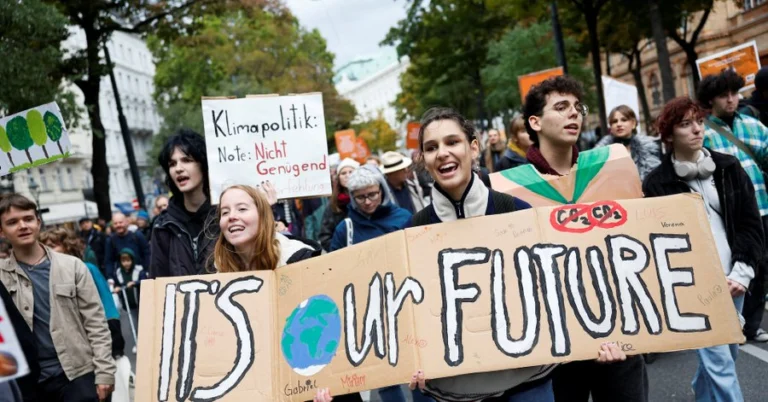
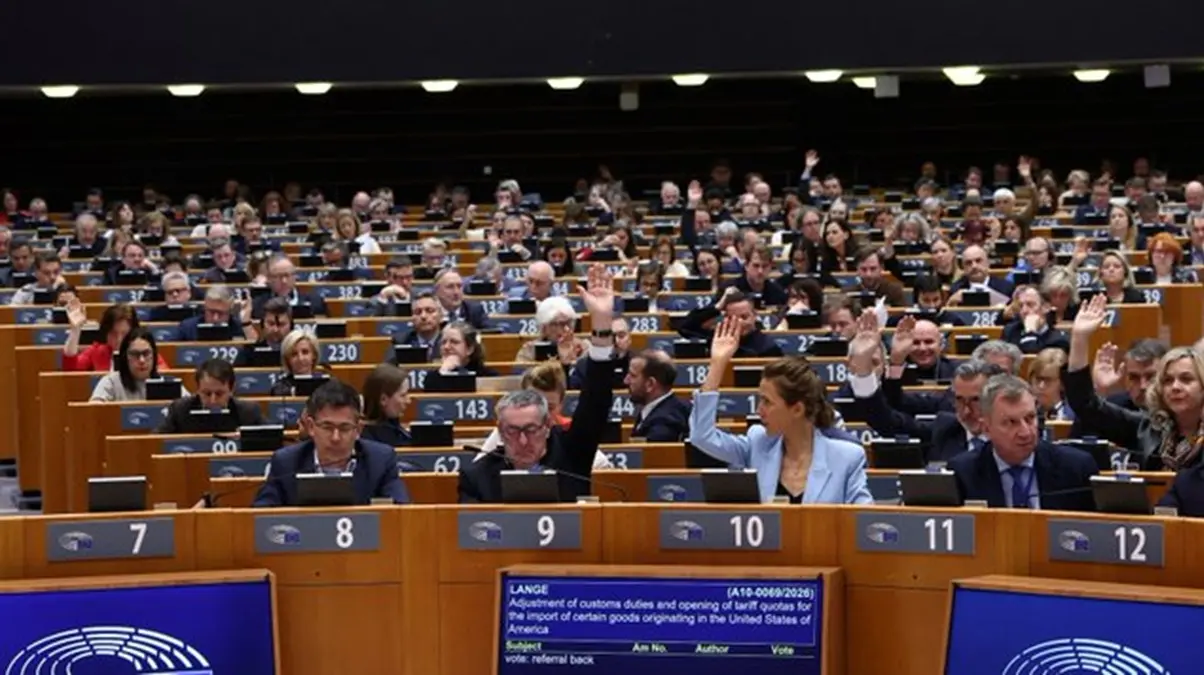
EU environment ministers meet to finalize the 2040 emissions framework ahead of COP30. Photo: @Reuters
November 5, 2025 Hour: 7:34 am
🔗 Comparte este artículo
European Union environment ministers have agreed to target a 90% reduction in greenhouse gas emissions by 2040, settling months of internal disagreement just days before the COP30 climate summit in Belem, Brazil.
RELATED:
COP30 Urged to Put Reparations at the Core of Climate Justice
The agreement is based on a long-standing proposal by the European Commission and will serve as the foundation for a 2035 emissions target the bloc must submit under the Paris Agreement. The EU aims to reduce emissions by between 66.25% and 72.5% by 2035 compared to 1990 levels.
Negotiations were largely shaped by disagreements over the role of carbon offsets. Carbon credits allow governments to count emissions reductions achieved in other countries, such as reforestation projects, toward their own national goals. According to EU sources, Germany pushed to limit offsets to around 3% of the total target, while France and Poland argued for greater flexibility.
The compromise keeps the 90% reduction goal intact but leaves the specifics of offset use open to further negotiation.
The EU is among several major emitters — including China — that missed the latest deadline to submit updated national targets. Under the 2015 Paris Agreement, countries are required to revise and communicate new commitments every five years. The agreement seeks to keep global temperature rise well below 2°C and to pursue efforts to limit warming to 1.5°C.
UN Secretary-General António Guterres said that if current 2035 pledges are carried out, projected warming would fall from about 2.6°C to 2.3°C. He described this as “progress, but nowhere near enough,” adding that overshooting the 1.5°C threshold is “inevitable,” but should not be seen as a reason to stop efforts. “1.5 degrees by the end of the century remains our North Star,” he said. “But only if we meaningfully increase our ambition.”
China, the world’s largest emitter, recently submitted its national reduction target, pledging to cut emissions by 7% to 10% from its peak. Analysts believe China is likely to meet or surpass that level. Other major emitters, such as Australia and Japan, have faced criticism for offering targets viewed as insufficient.
Melanie Robinson of the World Resources Institute said ongoing investment in solar power, electric vehicles and climate finance signals real structural change, but that the pace remains inadequate. She emphasized the need for clearer global coordination and pathways to achieving net-zero transitions.
UN Climate Chief Simon Stiell noted that while reduction targets draw the most public attention, many national plans also include adaptation measures and commitments to climate finance for developing states. He described the global situation as one where societies are already experiencing severe climate impacts, while simultaneously approaching economic shifts that favor renewable energy and resilience.
The EU plans to present the new 90% target at COP30, where governments will face increasing scrutiny over whether their commitments align with the scale of climate impacts already unfolding worldwide.
Author: MK
Source: DW